AREA SAILOR ON MISSING SUBMARINE.
On September 14, 1944 in the Pottsville Republican under the Headline
3 REGIONAL BOYS MISSING,ONE ON SUB.
The article stated a Summit Hill Boy was a radioman on the submarine Gudgeon, loss of which was officially announced by the Navy department Tuesday, His family had been notified some months ago that he was missing but were asked not to reveal the news until official word of the submarine's loss was announced.
William D Remaley, 21 son of Mr. And Mrs Harvey Reamley summit Hill, was a radio man 1st class on the submarine, Gudgeon reported missing and overdue and is presumed lost by the Navy Department.
Remaley was 21 yrs old, he enlisted on December 6, 1940 and was was sworn in on January 7, 1941.

USS Gudgeon
USS Gudgeon (SS-211), a Tambor-class submarine, was the first ship of the United States Navy to be named for the gudgeon. Her keel was laid down by the Mare Island Navy Yard. She was launched on 25 January 1941, sponsored by Mrs. Annie B. Pye, wife of Vice Admiral William S. Pye, Commander Battleships, Battle Force and Commander Battle Force. The boat was commissioned on 21 April 1941 with Lieutenant Commander Elton W. "Joe" Grenfell in command. Her construction cost $6 million
The USS Gudgeon (SS-211) was a Gar-class World War II era submarine. The Gar-class boats were duplicates of the Tambor-class design. 1
The namesake of the USS Gudgeon (species Gobio gobio) is a common small fish of the carp family, Cyprinidae, found in clear, fresh waters of Europe and northern Asia. A grayish or greenish fish, the gudgeon has a barbel at each corner of its mouth and a row of blackish spots along each side. Rarely exceeding a length of twenty centimeters (eight inches), it lives in schools and feeds mainly on small animals. It is edible and is used as fish bait.
The radio call sign of the USS Gudgeon was NAN-EASY-LOVE-VICTOR.
On April 4, 1944, the Gudgeon, captained by Lieutenant Commander Robert A. Bonin, left Pearl Harbor for her twelfth and final war patrol. On April 7, 1944, she topped off her fuel at Johnston Island, then left for patrol in the open sea area off the northern Mariana Islands. She was never seen or heard from again. 2
The Gudgeon's operating order instructed her to patrol within the rectangle formed by coordinates 21° N to 24° N and 143° E to 147° E from April 16-22, 1944. After April 22nd, she would patrol within the square formed by coordinates 17° N to 21° N and 143° E to 147° E. On May 11, 1944, the Gudgeon was ordered to conduct a special assignment in another area. The Gudgeon did not acknowledge receipt of this transmission. On May 14, 1944, her special assignment was given to another submarine. Another transmission was sent to the Gudgeon ordering her to return to Midway Island. She was expected there around May 23, 1944. On June 7, 1944, the Gudgeon was declared overdue and presumed lost. 3
The public announcement of Gudgeon's loss was made on September 12, 1944:
Loss Possibilities
There are several loss possibilities for the Gudgeon.
1. The Gudgeon was probably lost on April 18, 1944 after being bombed by Japanese naval aircraft of the 901st Air Group about 166 miles southeast of Iwo Jima. The Japanese report stated the planes dropped two bombs on a submarine and "The first bomb hit a bow, the second bomb direct on bridge. The center of the submarine burst open and oil pillars rose." The submarine was reported to have sunk quickly followed by a large undersea explosion. The reported location of the attack (22° 45' N, 143° 40' E) was within the Gudgeon's assigned patrol area. 4
2. The second possibility is a depth charge and bomb attack by unidentified IJN antisubmarine (ASW) surface vessels and possibly aircraft, on May 12, 1944, off Saipan. Three other American submarines patrolling off Saipan heard and reported this heavy ASW activity, which occurred about 140 miles south of the Gudgeon's second patrol area. This could have been an attack against a false contact by alert and aggressive Japanese ASW surface vessels and aircraft. 5
3. Loss as a result of an unreported enemy attack is also a possibility. This general area was a hotbed of activity during this period. There were numerous U.S. submarines and enemy ASW forces operating the area. 6
For her first eight war patrols the Gudgeon received the coveted Presidential Unit Citation. She earned eleven battle stars for her World War II service. She was the first U.S. Navy submarine to sink an enemy warship in World War II - the Japanese submarine I-73. She was scored by JANAC with sinking 71,047 tons in twelve Japanese vessels. Her Alden-McDonald score is seventeen vessels sunk for 81,150 tons and eight vessels damaged for 33,997 tons. Her SORG score is twenty-four vessels sunk worth 166,400 tons and six vessels damaged worth 41,900 tons. 7
The Gudgeon is also remembered for being the first American submarine to make a Spyron mission from Australia to the Philippines in World War II. On December 27, 1942, captained by Lieutenant Commander William S. Stovall, the Gudgeon embarked Major Jesus Villamor, six other Filipinos, and a ton of supplies including weapons, a radio, money, medicines, candy, and cigarettes, and departed Brisbane for the Philippines. On the night of January 14, 1943, the Gudgeon put the men and supplies safely ashore on Negros Island. On her return trip to Fremantle, on February 9, 1943, the Gudgeon rescued twenty-one Australians, one Englishman, one Portuguese, and five Timorese from enemy-occupied Timor. 8
The USS Gudgeon (SS-211) was a Gar-class World War II era submarine. The Gar-class boats were duplicates of the Tambor-class design. 1
The namesake of the USS Gudgeon (species Gobio gobio) is a common small fish of the carp family, Cyprinidae, found in clear, fresh waters of Europe and northern Asia. A grayish or greenish fish, the gudgeon has a barbel at each corner of its mouth and a row of blackish spots along each side. Rarely exceeding a length of twenty centimeters (eight inches), it lives in schools and feeds mainly on small animals. It is edible and is used as fish bait.
The radio call sign of the USS Gudgeon was NAN-EASY-LOVE-VICTOR.
On April 4, 1944, the Gudgeon, captained by Lieutenant Commander Robert A. Bonin, left Pearl Harbor for her twelfth and final war patrol. On April 7, 1944, she topped off her fuel at Johnston Island, then left for patrol in the open sea area off the northern Mariana Islands. She was never seen or heard from again. 2
The Gudgeon's operating order instructed her to patrol within the rectangle formed by coordinates 21° N to 24° N and 143° E to 147° E from April 16-22, 1944. After April 22nd, she would patrol within the square formed by coordinates 17° N to 21° N and 143° E to 147° E. On May 11, 1944, the Gudgeon was ordered to conduct a special assignment in another area. The Gudgeon did not acknowledge receipt of this transmission. On May 14, 1944, her special assignment was given to another submarine. Another transmission was sent to the Gudgeon ordering her to return to Midway Island. She was expected there around May 23, 1944. On June 7, 1944, the Gudgeon was declared overdue and presumed lost. 3
The public announcement of Gudgeon's loss was made on September 12, 1944:
Navy Department Communiqué No. 542, September 12, 1944
1. The submarine USS Gudgeon is overdue from patrol and presumed lost.
2. Next of kin of casualties have been informed.
Loss Possibilities
There are several loss possibilities for the Gudgeon.
1. The Gudgeon was probably lost on April 18, 1944 after being bombed by Japanese naval aircraft of the 901st Air Group about 166 miles southeast of Iwo Jima. The Japanese report stated the planes dropped two bombs on a submarine and "The first bomb hit a bow, the second bomb direct on bridge. The center of the submarine burst open and oil pillars rose." The submarine was reported to have sunk quickly followed by a large undersea explosion. The reported location of the attack (22° 45' N, 143° 40' E) was within the Gudgeon's assigned patrol area. 4
2. The second possibility is a depth charge and bomb attack by unidentified IJN antisubmarine (ASW) surface vessels and possibly aircraft, on May 12, 1944, off Saipan. Three other American submarines patrolling off Saipan heard and reported this heavy ASW activity, which occurred about 140 miles south of the Gudgeon's second patrol area. This could have been an attack against a false contact by alert and aggressive Japanese ASW surface vessels and aircraft. 5
3. Loss as a result of an unreported enemy attack is also a possibility. This general area was a hotbed of activity during this period. There were numerous U.S. submarines and enemy ASW forces operating the area. 6
For her first eight war patrols the Gudgeon received the coveted Presidential Unit Citation. She earned eleven battle stars for her World War II service. She was the first U.S. Navy submarine to sink an enemy warship in World War II - the Japanese submarine I-73. She was scored by JANAC with sinking 71,047 tons in twelve Japanese vessels. Her Alden-McDonald score is seventeen vessels sunk for 81,150 tons and eight vessels damaged for 33,997 tons. Her SORG score is twenty-four vessels sunk worth 166,400 tons and six vessels damaged worth 41,900 tons. 7
The Gudgeon is also remembered for being the first American submarine to make a Spyron mission from Australia to the Philippines in World War II. On December 27, 1942, captained by Lieutenant Commander William S. Stovall, the Gudgeon embarked Major Jesus Villamor, six other Filipinos, and a ton of supplies including weapons, a radio, money, medicines, candy, and cigarettes, and departed Brisbane for the Philippines. On the night of January 14, 1943, the Gudgeon put the men and supplies safely ashore on Negros Island. On her return trip to Fremantle, on February 9, 1943, the Gudgeon rescued twenty-one Australians, one Englishman, one Portuguese, and five Timorese from enemy-occupied Timor. 8
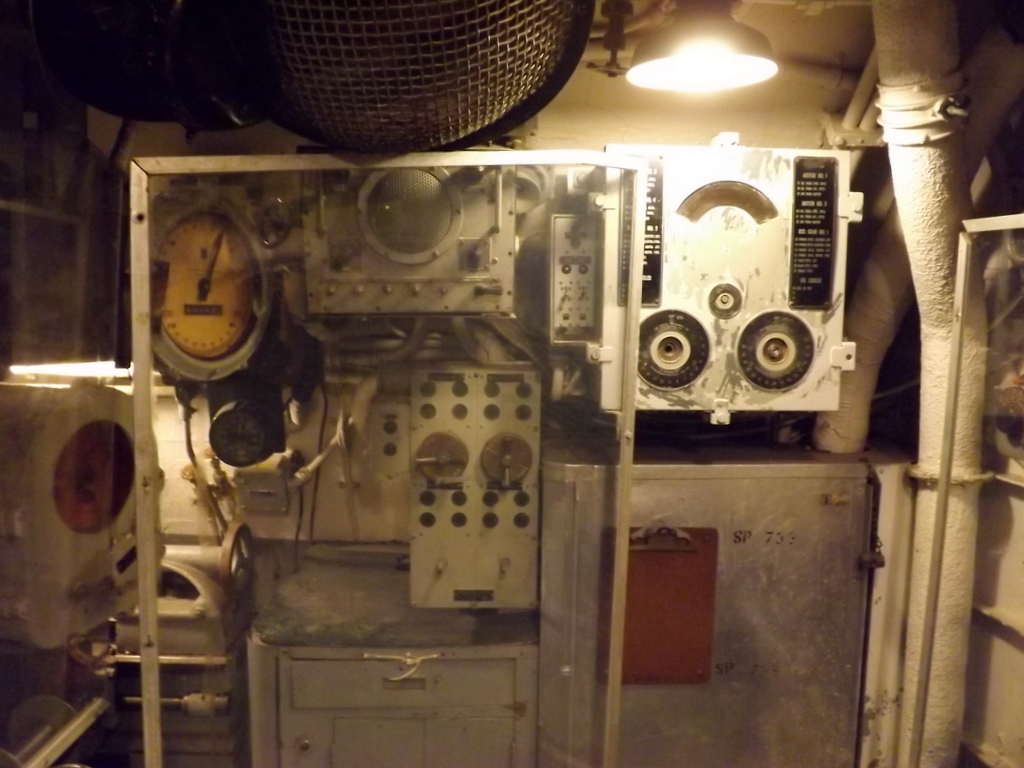
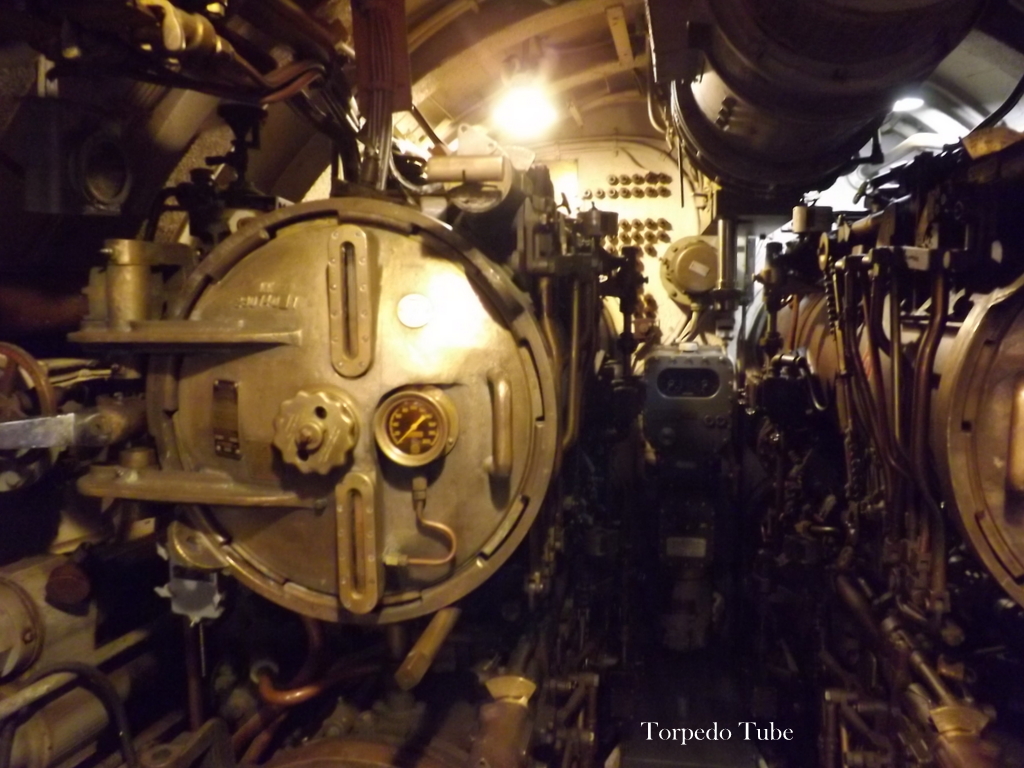
The Photos below are from a World War 11 Submarine USS Lionfish that is a museum in Fall River, Mass.
These photos will give a good idea of what it was like in a WW2 American Submarine.
These photos will give a good idea of what it was like in a WW2 American Submarine.